Replacing a roof is one of those projects that feels enormous in the moment and pays dividends slowly, sometimes for decades. Homeowners think first about the sticker shock, then about leaks, then about colors. Fewer people pause to compare the lifetime energy and maintenance costs of different roofing systems. That gap is where careful choices turn an expensive necessity into a long-term investment.
This article walks through realistic price ranges for roof replacement, energy-efficient materials and techniques, and how to weigh upfront cost against lifetime savings. I draw on field experience: estimates from multiple roofing companies, inspections done after hailstorms, and the conversations I’ve had with roof repairmen who tell the truth about what fails first. Expect specific numbers expressed as ranges, clear trade-offs, and practical advice for getting the best value from your roof replacement.
Why price varies so much
Roofing costs depend on three big variables: materials, labor, and the roof geometry. A simple, single-story house with 1,500 square feet of roof that uses three-tab asphalt shingles will be far cheaper than a multi-level home with valleys, skylights, and a steep pitch that wants standing-seam metal. Add-ons such as new underlayment, flashing, ridge vents, or structural repairs to rotten decking increase both materials and labor hours.
Typical national price ranges give a baseline: asphalt shingle replacements usually run from about $5,000 to $12,000 for average-sized homes, while metal roofs commonly fall between $12,000 and $30,000. High-end tile, slate, or specialty systems can stretch beyond $40,000. Those numbers vary by region, availability of roofing companies, and current commodity prices. Labor-heavy urban markets often command higher rates than rural areas.
Energy-efficient roofing options and their cost profiles
Asphalt shingles — improved reflectance: the low-cost baseline
Asphalt remains the dominant roofing material because of low material cost and broad contractor familiarity. Energy-efficient versions are labeled cool roofs; manufacturers increase solar reflectance and emissivity with special granules and coatings. Upgrading from standard three-tab asphalt to a cool asphalt shingle typically increases material cost by 10 to 30 percent. On a $8,000 replacement, expect an extra $800 to $2,400 for the improved shingles.
Performance and savings: cool asphalt shingles reduce attic temperatures and HVAC load, but their payoff depends on climate. In hot, sunny regions the reduced cooling costs are noticeable; in cool climates the benefit is marginal and payback can be long. Lifespan for asphalt ranges from 15 to 30 years depending on product and installation quality.
Metal roofing — durability and reflectivity
Metal roofing’s premium cost reflects durability. Standing-seam or metal panels commonly last 40 to 70 years when properly installed. Installed cost tends to be two to three times that of asphalt, so a metal roof replacement commonly runs from $12,000 to $30,000 for an average house. Reflective coatings or inherently reflective metal finishes reduce solar heat gain, which increases energy savings in warm climates.
Trade-offs include greater upfront cost, noise during rain unless underlayment is upgraded, and possible thermal movement concerns over time. Metal roofs are also lighter than tile, which can avoid the need for structural reinforcement, a savings in some retrofit situations.
Concrete and clay tile — longevity at a price
Tile roofs, both clay and concrete, have high material and labor costs because they are heavy and require skilled installers. Expect installed costs that often exceed $20,000 on a typical home and can exceed $50,000 for extensive roofs. Tiles offer excellent thermal mass, longevity of 50 years or more, and very low maintenance if installed correctly.
In hot climates tile is effective at reducing cooling loads because it slows heat transfer to the roof deck. In colder climates, the benefits are smaller, but tiles are durable and resist UV degradation.
Cool coatings and membrane upgrades for flat roofs
Flat or low-slope roofs often use single-ply membranes like TPO, EPDM, or modified bitumen. High-reflectance white TPO membranes are widely used to reduce cooling loads on commercial and residential low-slope roofs. Material and installation for a typical small flat roof can range from $3 to $10 per square foot depending on the membrane and roof complexity. Recoating an existing low-slope roof with a reflective coating is a lower-cost retrofit often in the $1 to $3 per square foot range, but coatings require a sound substrate and regular reapplication every 8 to 12 years.
Solar roofing options — shingles and photovoltaic panels
Two distinct approaches compete: integrated solar shingles and rooftop photovoltaic panels mounted on the existing roof. Solar shingles are aesthetically appealing but expensive and less efficient than standard solar panels; they also complicate roof repair if they are integrated into the entire roof surface. Photovoltaic panels mounted on top of a conventional roof are modular, serviceable, and usually lower cost per watt.
Installed solar costs have dropped, but roofing contractors who also handle solar will quote combined prices. For homeowners seeking energy independence plus roof replacement, combining the two at once can reduce labor redundancy. If you plan solar, estimate the incremental cost of mounting and wiring relative to a standalone roof. Federal and state incentives, and local utility net metering rules, can strongly affect payback. Verify current tax credits and local programs rather than relying on older figures.
Underlayment, ventilation, and insulation — the often-overlooked savings
Material choices for the visible roof matter, but so do the layers beneath. Upgrading the underlayment to synthetic membranes, installing a proper ice-and-water shield near eaves, and replacing damaged flashing are all sensible for longevity. Improved attic ventilation and additional insulation often give the biggest energy savings per dollar invested.
A common scenario: a homeowner spends $10,000 on shingles but keeps a sparse 6-inch attic insulation layer. Adding or bringing attic insulation up to recommended levels, combined with proper ventilation, might cost $1,500 to $4,000 and cut heating and cooling bills substantially. In many climates the attic work pays back faster than the premium for higher-end shingles.
Quantifying long-term savings and payback
Energy savings depend on climate, HVAC efficiency, and house occupancy patterns. Here are conservative, experience-based ballpark expectations: upgrading from standard asphalt shingles to energy-efficient cool shingles might reduce annual cooling costs by 5 to 15 percent in hot climates. Switching to a highly reflective metal roof can cut cooling costs by 10 to 30 percent depending on insulation and shading. Proper attic sealing and adding R-value often produce better returns than surface reflectivity changes when the attic was previously under-insulated.
Payback calculations must include lifespan. An energy-efficient roof that costs $3,000 more but saves $200 per year in energy will take 15 years to pay back on energy alone. Add non-energy benefits such as increased resale value, reduced maintenance, and longer intervals between full replacements. Metal roof longevity and lower maintenance can tilt decisions in its favor, even if the base energy savings are similar to cooler shingles.
A practical financing mindset
Roof replacement is often timed by necessity rather than ideal budgeting. Many homeowners work with financing from roofing companies or use home equity options. A key piece of negotiating power is to separate the price of the roofing system from the price of required repairs. Good roofing companies provide itemized bids showing materials, labor, removal, disposal, sheathing replacement, flashing, vents, and permit fees.
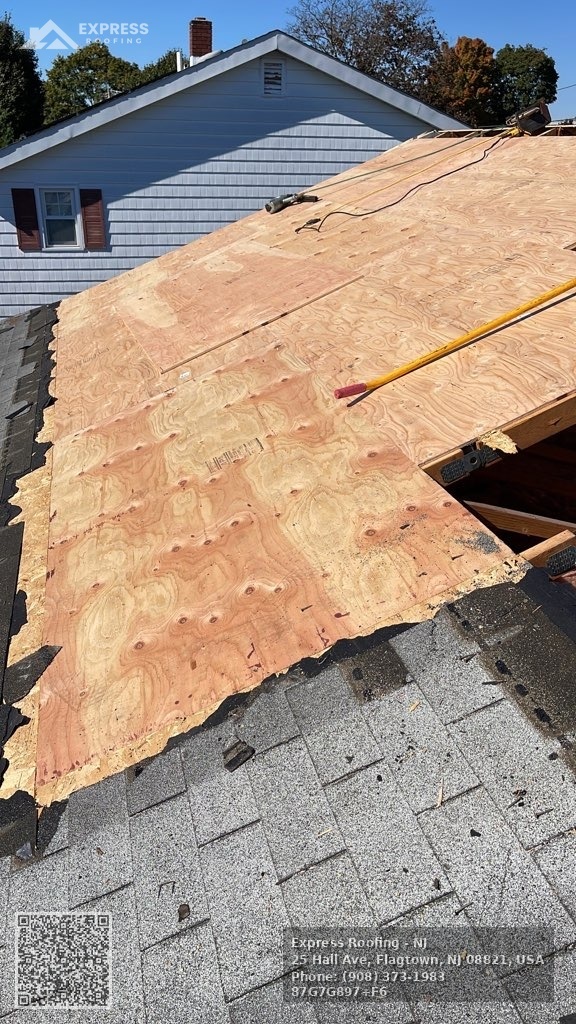
Roofing companies vary dramatically in how conservative they are about replacing decking or flashing. An experienced roof repairman I worked with once refused to cut corners on flashing around a chimney because it would return as a leak within a few years, even though it pushed his quote higher. Those honest assessments usually pay off. Ask three qualified contractors, compare itemized quotes, and check examples of finished work.
Selecting a roofing company and verifying Roofing companies workmanship
Credentials matter more than marketing. Verify local licensing and insurance, read recent customer reviews, and ask for references from projects similar to yours. A written warranty that covers both materials and installation is the best sign a contractor intends to stand behind the work. Manufacturer certifications can matter for labor warranties, but the contractor’s reputation is what enforces warranties over time.
When you meet contractors, bring a camera and ask them to walk the roof with you. Ask specific questions about how they handle valley flashing, starter shingles, and underlayment. A good roofer will explain why they recommend underlayment X over Y for your climate. A poor quote will be vague and low on details. Be suspicious of bids that are substantially lower than others; they often leave important tasks off the estimate.
Trade-offs to consider
Longevity versus upfront cost. If you plan to stay in the house only a few years, a mid-range asphalt replacement with a cool option is often the rational choice. If you plan on occupying the home for decades, investing in metal or tile can be more sensible.
Aesthetics versus serviceability. Integrated solar shingles look clean, but troubleshooting or replacing a single panel can be expensive and disruptive. Conventional solar panels allow panel-level servicing and lower overall roof interference.
Energy savings versus insulation and air sealing. Spending on attic insulation and sealing gaps is usually more cost-effective per dollar than upgrading to a premium roof surface when energy conservation is the primary goal.
Timing and incremental upgrades. If the roof leaks only in a small area, patching and local roof repair can buy time until you plan for a full roof replacement. However, repeated repairs on an old decking substrate can increase long-term costs. If you are replacing the roof anyway, combining work such as adding ventilation or a ridge vent while the roof is removed is far cheaper than doing it later.
Two practical checklists to use when getting quotes
Items to ask every roofing company about- Are you licensed and insured for this work in my jurisdiction? Can you provide three recent references for similar homes? Do you include permit fees, disposal, underlayment, flashing, and starter strips in this price? What is your timeline, and who will be the point of contact during the job? What manufacturer and labor warranties do you provide, in writing?
- Type and thickness of underlayment and whether ice-and-water shield is included at eaves. Specific flashing materials around chimneys, skylights, and vents. Whether ridge vents or soffit vents will be replaced or added, and attic ventilation calculations. Disposal of old roofing and site cleanup procedures. Handling of unexpected sheathing replacement, with unit prices if further repair is needed.
Avoiding common pitfalls
Lowball bids: a contractor undercutting everyone may leave out critical steps or use inferior nails and flashing. Verify all quotes include the same scope.
Ignoring attic work: homeowners who focus solely on shingles often miss the larger gains from insulation and air sealing.
Skipping permits: a permit ensures code compliance and inspections that catch errors. Avoid contractors who request you skip permits to save money.
Overly aggressive claims about energy savings: manufacturers often publish idealized savings. Expect lower real-world reductions because of shading, attic leaks, and thermostat behavior.
Real-world examples
Example 1: suburban ranch in a warm climate. The house had 1,800 square feet of roof, 20-year-old standard asphalt shingles, and minimal attic insulation. The homeowner received three bids: basic asphalt replacement at $9,000, cool asphalt upgrade at $10,200, and standing-seam metal at $22,000. They chose cool asphalt and added R-30 blown-in insulation for $2,200. In the first year, cooling bills dropped about 12 percent and comfort improved noticeably. The extra cost relative to basic asphalt was roughly matched by lower cooling bills plus the insulation benefit.
Example 2: older craftsman with complex rooflines. The homeowner needed extensive sheathing replacement discovered during tear-off. Tile was appealing but would have required reinforcement of rafters. The contractor recommended high-end metal because it provided the aesthetic lines of the house, required no structural upgrades, and offered a long warranty. The installed cost was higher than asphalt, but the owner valued durability and the expected 50-year lifespan.
Final notes on decision-making
A new roof should be evaluated as a system rather than just shingles. Consider the lifetime cost, not only the initial price. Think about how long you will stay in the house, whether you plan to add solar, the local climate, and your tolerance for maintenance. Work with reputable roofing companies and roof repairmen who explain trade-offs and provide detailed, itemized bids. Small choices now, such as better ventilation or attic insulation, often return more energy savings per dollar than premium surface materials alone.
Replacing a roof is disruptive, but it is also an opportunity to improve a home's efficiency, weather resilience, and resale value. Choose materials that align with your budget and goals, insist on clear written agreements, and remember that the cheapest option at signing is rarely the cheapest over the life of the roof.
Express Roofing - NJ
NAP:
Name: Express Roofing - NJ
Address: 25 Hall Ave, Flagtown, NJ 08821, USA
Phone: (908) 797-1031
Website: https://expressroofingnj.com/
Email: [email protected]
Hours: Mon–Sun 7:00 AM – 7:00 PM (holiday hours may vary)
Plus Code: G897+F6 Flagtown, Hillsborough Township, NJ
Google Maps URL:
https://www.google.com/maps/place/Express+Roofing+-+NJ/@40.5186766,-74.6895065,17z/data=!3m1!4b1!4m6!3m5!1s0x2434fb13b55bc4e7:0xcfbe51be849259ae!8m2!3d40.5186766!4d-74.6869316!16s%2Fg%2F11whw2jkdh?entry=tts
Coordinates: 40.5186766, -74.6869316
Google Map Embed
Social Profiles
Facebook: https://www.facebook.com/expressroofingnj
YouTube: https://www.youtube.com/@ExpressRoofing_NJ
X (Twitter): https://x.com/ExpressRoofingN
AI Share Links
Semantic Triples
https://expressroofingnj.com/
Express Roofing NJ is a customer-focused roofing contractor serving Central New Jersey.
Express Roofing NJ provides roof inspections for residential properties across Somerset County.
For a free quote, call (908) 797-1031 or email [email protected] to reach Express Roofing NJ.
Connect on Facebook: https://www.facebook.com/expressroofingnj and watch project videos on YouTube: https://www.youtube.com/@ExpressRoofing_NJ.
Follow updates on X: https://x.com/ExpressRoofingN.
Find the business on Google Maps: View on Google Maps.
People Also Ask
What roofing services does Express Roofing - NJ offer?
Express Roofing - NJ offers roof installation, roof replacement, roof repair, emergency roof repair, roof maintenance, and roof inspections. Learn more: https://expressroofingnj.com/.
Do you provide emergency roof repair in Flagtown, NJ?
Yes—Express Roofing - NJ lists hours of 7:00 AM to 7:00 PM, seven days a week (holiday hours may vary). Call (908) 797-1031 to request help.
Where is Express Roofing - NJ located?
The address listed is 25 Hall Ave, Flagtown, NJ 08821, USA. Directions: View on Google Maps.
What are your business hours?
Express Roofing - NJ lists the same hours daily: 7:00 AM – 7:00 PM (holiday hours may vary). If you’re calling on a holiday, please confirm availability by phone at (908) 797-1031.
How do I contact Express Roofing - NJ for a quote?
Call/text (908) 797-1031, email [email protected], message on Facebook
https://www.facebook.com/expressroofingnj,
follow on X https://x.com/ExpressRoofingN,
or check videos on YouTube https://www.youtube.com/@ExpressRoofing_NJ
Website: https://expressroofingnj.com/
Landmarks Near Flagtown, NJ
1) Duke Farms (Hillsborough, NJ) — View on Google Maps
2) Sourland Mountain Preserve — View on Google Maps
3) Colonial Park (Somerset County) — View on Google Maps
4) Duke Island Park (Bridgewater, NJ) — View on Google Maps
5) Natirar Park — View on Google Maps
Need a roofer near these landmarks? Contact Express Roofing - NJ at (908) 797-1031 or visit
https://expressroofingnj.com/.