Roofs fail in two ways, suddenly and slowly. The sudden failures get headlines, but the slow ones drain bank accounts. A stray nail hole around a vent lets a teaspoon of water creep into the sheathing every storm, and two winters later you have a soft spot and a stained ceiling. Most expensive roof repair jobs I’ve managed started as avoidable maintenance issues. With a little seasonal discipline, you can stretch a shingle roof well past the lower end of its lifespan, keep warranties intact, and push off the day you need to price a new roof.
What follows is a practical, season by season approach that reflects how roofs actually age in climates like New Jersey and the Mid-Atlantic, where we see freeze-thaw cycles, hurricanes skirting up the coast, and plenty of leaf fall. I’ll explain what to look for from the ground, when to go up a ladder, when to call a pro, and how to balance short-term fixes against the long game of total roof replacement.
The quiet economics of roof maintenance
A 30-square, two-story colonial with architectural shingles in New Jersey tends to cost anywhere from 12,000 to 24,000 for a full tear-off and roof replacement, depending on shingle line, steepness, number of layers, and details like skylights and flashing. The price of new roof systems rose 15 to 30 percent over the past few years due to material and labor pressures. Against that backdrop, spending a few hundred dollars a year on moss treatment, gutter cleaning, sealant touch-ups, and targeted roof repair makes obvious sense.
I track service calls on every roof my crews install. Roughly 60 percent of post-storm leaks we handle trace to vulnerable intersections, not field shingles, and most are preventable. Think of roof care like dental hygiene. You’ll still age, but you can choose whether you pay for cleanings and floss or for crowns.
How roofs really wear out
Asphalt shingles don’t fail evenly. Ultraviolet light dries the asphalt, granules shed faster on the sunniest pitch, seal strips loosen, and the wind finds edges to lift. Metal flashings fatigue where they flex during temperature swings. Sealants crack. The underlayment, tucked out of sight, buys time, not immunity. Trees add sap and abrasion. Animals tug on ridge caps and lift soffit vents. Then there’s water, always patient, always opportunistic. It creeps along nails, behind siding, and over the tops of step flashing if debris forms a dam.
If you understand these stress points, seasonal maintenance stops being a chore list and starts looking like insurance you control.
Spring: read the roof after winter
Once the freeze-thaw cycle ends and the roof dries for a few days, you get your best read on winter damage. I do two passes. The first is from the ground with binoculars, the second is a careful ladder check at eaves and key transitions. If you are not comfortable on a ladder, call a roofing contractor near me and pay for an inspection. Most roofing companies in New Jersey offer spring checks because they know this is when issues reveal themselves.
Focus your spring work on these priorities:
- Clear and test the drainage path. Clean gutters, downspouts, and the first few feet of underground leaders. A garden hose and a flashlight do wonders here. Clogged leaders back water onto the fascia and lower courses of shingles, which shortens their life. I’ve seen soffit rot develop in one season when ice dams and dirty gutters combine. Make sure splash blocks or extensions carry water 4 to 6 feet from the foundation. Inspect penetrations and flashing. Chimneys, plumbing vents, attic fans, skylights, and places where a lower roof meets an upper wall account for most leaks. On asphalt roofs, look for cracked rubber boots on plumbing stacks, loose storm collars on metal vents, and step flashing that has lifted from the siding. Mortar and counterflashing around chimneys deserves a slow look. Mortar joints spall under freeze-thaw, then wind-driven rain sneaks in. If you see gaps or hairline cracks, schedule a small roof repair before thunderstorm season. Check shingle condition and granule loss. Scan for shingles with curled edges, missing tabs, or swaths where the granules have thinned to show darker asphalt. A handful of granules in the gutters after winter is normal. Handfuls every season, or bald patches the size of your palm, suggest you should start tracking new roof cost and planning for replacement in 2 to 3 years. Architectural shingles age more gracefully than three-tabs, but both tell a story if you look. Evaluate attic ventilation and moisture. Spring is a perfect time to open the attic hatch on a sunny afternoon. You want a dry, neutral-smelling space, with no rust on nails and no shiny frost stains on sheathing. If you see mildew, insulation with tide lines, or ice-dam residue on the underside of the sheathing, ventilation may be off. Ridge plus soffit ventilation, clear baffles, and no blocked eaves make a measurable difference in shingle life and energy bills. Wash away winter grime without harming the roof. Skip pressure washers, which drive water under shingles and strip granules. If the north-facing slopes carry a fuzzy film, apply a roof-approved cleaner or a 50-50 mix of water and household bleach with a light garden sprayer, then rinse gently. Algae isn’t just cosmetic. It traps moisture that accelerates granule loss.
Handle small issues now. A cracked vent boot can leak a quart per storm. A roof repairman near me can replace a boot and reseal flashings in under two hours. That’s a 250 to 600 visit that often saves thousands.
Summer: heat, storms, and prep for the shoulder seasons
Summer brings ultraviolet exposure and wind-driven thunderstorms. When the roof heats to 150 degrees on a sunny day, sealants soften and then shrink at night. Shingles expand and contract, which tests fasteners. Your job is to minimize heat stress and keep the water path clear.
Trim branches that overhang the roof by at least 6 to 10 feet where possible. Shade is nice for the house, but rubbing branches scrape off granules and drop seed pods and twigs that form dams around valleys and skylights. If you cannot make those cuts safely or the limbs are heavy, bring in an arborist rather than risking a ladder misstep.
Check fasteners and accessories that suffer in heat. Ridge vents with exposed nails, satellite mounts, and solar conduit flashings can loosen as the roof bakes. If you have a solar array, confirm the installer’s annual service includes hardware torque checks and a look at the wire penetrations. I’ve repaired leaks at mounts installed lovingly but not revisited after a season of expansion.
Confirm the attic runs cool. A properly vented attic should not smell like tar and should track within 10 to 15 degrees of outdoor air once the sun sets. If it stays stifling at night, verify soffit vents are not buried in insulation, the ridge vent is continuous and unobstructed, and bath fans are not dumping moist air into the attic. Correcting ventilation mid-summer slows shingle aging for the rest of the season.
Summer is also a planning window. If spring inspections revealed a cluster of aging details, get on a reputable contractor’s schedule for fall. Roofing companies in New Jersey fill their calendars fast once the first tropical system spins up the coastline. The quiet weeks of late July and August are ideal for targeted roof repair and even full replacements if your roof is near the end. Price of new roof quotes typically firm up when supply chains are stable in mid to late summer.
Fall: leaf control, waterproofing checks, and winter readiness
Fall rewards thoroughness. Every leaf that lands on the roof wants to become a soggy mat that holds water. That water wants to find a shortcut under a shingle. Your task is to keep water moving, then harden the points where winter forces exploit weakness.
Start with a deep clean of gutters and valleys after the first heavy leaf drop, then again once most leaves are down. Screens and gutter guards help, but they do not eliminate the need to flush downspouts. I carry a gutter scoop, a hose attachment that jets upward, and a drain auger for underground leaders. You want flow, not the illusion of flow. A partially blocked leader may pass a garden hose test and still overflow during a nor’easter.
Treat moss and lichen now, not in spring. Moss behaves like a sponge that lifts shingle edges when it swells with winter moisture. Apply a roof-safe moss killer in early fall so rains can carry it into the growth. For persistent patches, consider installing zinc or copper strips near the ridge. As rain washes over those metals, ions inhibit growth down the slope.
Revisit flashing and sealants before the first freeze. Metal shrinks and expands through winter. A dab of high-quality polyurethane or a thoughtfully bent replacement flashing now beats emergency work in January. Pay special attention to living areas under low-slope roofs that tend to hold snow. Ice dams don’t care about good intentions. They care about warm air rising, snow load, and a back-up path into the house. If you saw significant icicles the prior year, bolster insulation and air sealing at the attic floor, not just more ventilation.
If you have a masonry chimney, look at the crown and the top course of brick. Small cracks accept water in December and spit ice in February. A breathable masonry sealer applied in dry fall weather can extend the life of a sound crown. Skip glossy coatings that trap moisture inside the brick.
Fall is a good time to check your emergency kit for roof triage. A couple of 10 by 12 tarps, a box of roofing nails, a hammer, and a roll of butyl tape live in the back of my truck once hurricane season peaks. You may never need them, but when a limb comes down at 9 p.m., you either have a plan or you mop at 3 a.m.
Winter: safety first, prevention over heroics
Snow changes the rules. Footing is treacherous, shingles are brittle, and small mistakes become injuries. The best winter maintenance happens from the ground and inside the attic.
Use a roof rake from the ground if heavy snow stacks up on low-slope sections over living space. Clear the first 3 to 4 feet above the eave to reduce ice dam pressure. Work gently, pulling snow down, not scraping upward. Never chip at ice on shingles. If you already have an ice dam with active leakage, move quickly to reduce interior damage. Open the attic hatch to vent warm air. Lay towels under drips, and call a roofing contractor near me who handles winter emergencies. They will sometimes steam the ice to create a channel and install a temporary membrane in a warm spell.
Inspect the attic after big storms. Look at sheathing joints and around penetrations. A tea-colored drip line on a nail head means condensation, not necessarily a roof leak, but you still want to manage humidity. Run bath fans longer, vent dryers outside, and check that kitchen range vents do not dump into the attic. When in doubt, a hygrometer in the attic tells the truth. Keep it under roughly 50 percent in cold snaps to reduce frost.
Beware of freeze-thaw around skylights. The uphill side of a skylight is a natural snow stop. If the flashing is marginal, winter exposes it. If water stains appear on the skylight shaft, it might be a roof issue or just condensation on cold glass. Wipe the glass and observe. Persisting stains demand a pro’s eye.
Finally, watch the roof from the ground after high winds. Missing shingles stand out as darker rectangles. You can often schedule a simple patch even in winter if the day is clear and above freezing for a few hours. Putting off a small, accessible repair until spring often invites sheathing rot.
The threshold between repair and replacement
Clients ask me two questions more than any others. Can we squeeze another season out of this roof, and what is the new roof cost going to look like if we cannot?
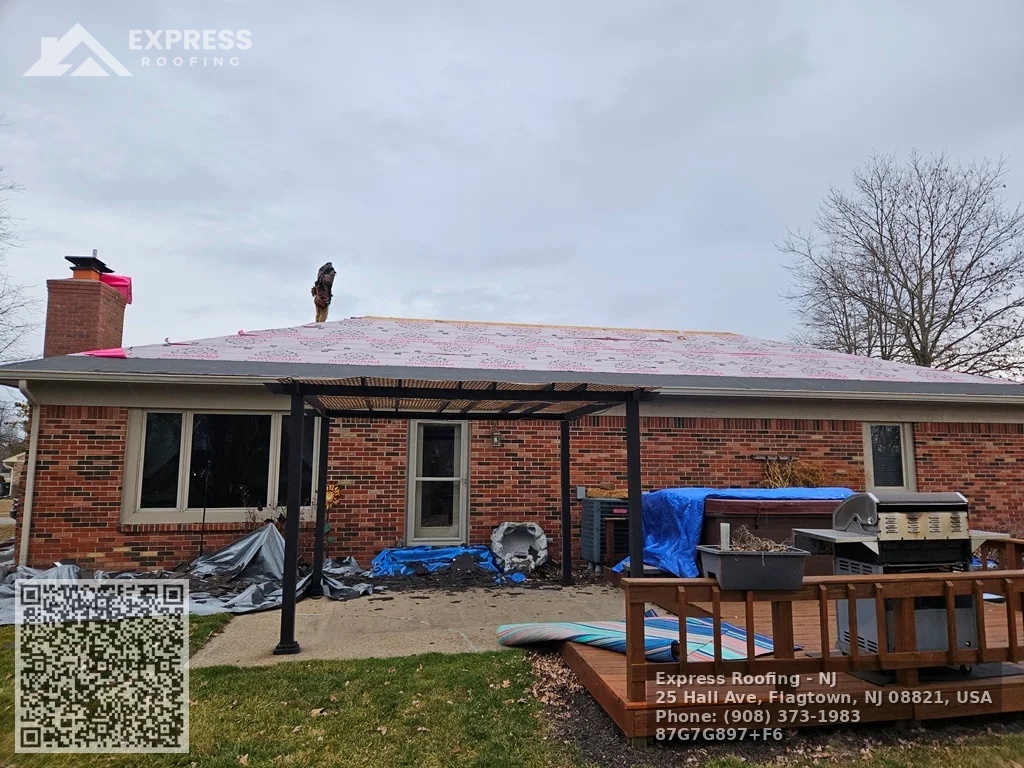
The answer starts with an honest assessment. If 15 to 20 percent of the shingles show curling or bald spots, or you have widespread granule shedding into downspouts, the roof is approaching end-of-life. Isolated leaks at a chimney with intact surrounding shingles favor repair. Multiple valleys with soft sheathing suggest replacement. On a typical 1,800 to 2,400 square foot home, the price of new roof work in New Jersey ranges widely, but these ballparks hold in normal markets:
- Three-tab asphalt tear-off and replace, standard pitch: roughly 4.00 to 6.00 per square foot installed. Expect totals in the low to mid teens.
Note that even this single list must be used sparingly, so let me continue the ranges in prose. Architectural shingles, which most homeowners select today, often run 5.00 to 9.00 per square foot installed depending on brand line, underlayment spec, and details. Complex roofs with multiple stories, steep slopes, and many penetrations can push past 10.00 per square foot. Premium designer asphalt, metal, or synthetic shake systems break away from these numbers and warrant a dedicated estimate.
These ranges include tear-off of one layer. Extra layers, new sheathing, rotten fascia replacement, skylight swaps, premium ice and water membranes, and custom chimney flashing all add line items. Ask for a transparent scope. The cheapest Roof repairman bid often leaves out the very steps that protect your home long-term, such as full ice barrier at eaves and valleys or proper ridge venting.
If you think a replacement is looming in two to three years, maintenance still pays. Every dry season you buy means you can plan the work, pick your shingle line, and schedule with a contractor you trust, rather than choosing out of panic after the next nor’easter.
Finding and working with the right pro
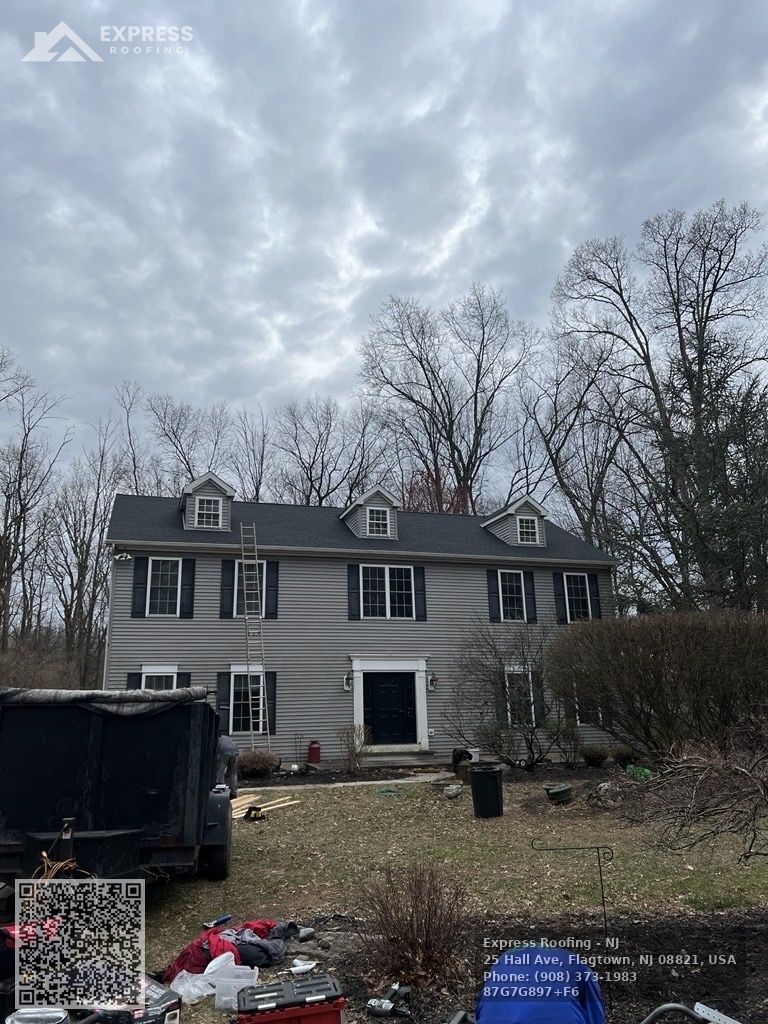
Typing roofing contractor near me into a search box yields pages of options, but you want a crew that stands behind its work long after the truck pulls away. In New Jersey, look for a contractor with manufacturer credentials for the shingle line you prefer. Those certifications are not a guarantee, but they indicate training and access to enhanced warranties. Ask to see proof of liability and workers’ compensation insurance, not just a verbal assurance.
I like estimates that read like a recipe. They list underlayment types, ice barrier coverage, flashing metals and gauge, ventilation plan, and how many sheets of sheathing are included before extra charges kick in. If an estimate lumps “miscellaneous flashing” into a single line, ask for detail. Chimneys and sidewall intersections deserve custom-bent step and counterflashing, not tubes of sealant and hope.
Discuss workmanship warranties. Five years is a solid baseline for asphalt re-roofs in this region, with some firms offering ten. Material warranties from manufacturers range from standard limited lifetime to enhanced options tied to higher-spec underlayments and certified installers. Understand what is prorated and when.
During maintenance and small repairs, a good roof repairman near me will take photos, explain the root cause, and show before-and-after shots. If a contractor proposes sealant where metal belongs, ask why. There are times to use premium sealants, such as on storm collars or a fastener head at a ridge vent, but not as a substitute for flashing.
Material choices that reduce maintenance
If you’re not replacing today, you can still make smart material upgrades during repairs that reduce future calls.
Swap brittle rubber plumbing boots for metal-and-EPDM hybrids. The metal base conforms better and outlasts cheaper all-rubber units that crack after five to eight summers. Upgrade exposed fasteners on ridge vents to gasketed screws rather than smooth-shank nails. Where a small low-slope section keeps causing headaches, consider a peel-and-stick modified bitumen or a premium self-adhered membrane under the shingles in that zone.
If moss is a chronic issue, choose algae-resistant shingles when you do replace. Many architectural lines include copper-infused granules that noticeably slow growth on north-facing slopes. On coastal properties that see high winds, look for shingles with reinforced nailing zones and follow the manufacturer’s high-wind nailing pattern during any repair. Four well-placed nails are not the same as six at the correct line.
The homeowner’s seasonal cadence
One of the best habits I’ve seen a homeowner adopt started as a simple reminder on a phone. Four times a year, the note popped up with a short checklist. It kept small tasks from slipping and let the owner catch patterns early. You can adapt the idea without turning your life into a punch list. Here is a compact seasonal set that covers the bases without eating a weekend.
- Spring: clean gutters and leaders, inspect penetrations and flashing, scan for granule loss, check attic ventilation and moisture. Summer: trim back branches, confirm attic stays reasonable after sunset, check mounts and ridge fastening, plan larger work for fall. Fall: deep clean gutters and valleys twice, treat moss, tune flashing and sealants, prep basic emergency kit. Winter: rake heavy snow at eaves if safe, monitor attic for frost and leaks, watch for wind damage from the ground.
That single page on a fridge can save you from five late-night Google searches and a frantic call to the first roofer who answers.
Small jobs that save big money
I keep a mental list of tiny interventions that consistently pay off.
Replace one failed plumbing boot the day you spot it. Water follows that pipe into the wall cavity and ruins drywall faster than you’d think.
Re-seat a lifted shingle tab before wind pries it back. A dab of manufacturer-approved roofing cement under a loose corner, pressed and weighted for a warm afternoon, restores the seal. Do not smear cement across shingle faces. Less is more.
Clear valley debris after a windstorm, not just after leaf season. Seed pods and twigs love to lodge uphill of a step flashing and set the stage for capillary leaks.
Add or clear soffit baffles while you can still work in the attic comfortably. A few hours of sweaty labor in August saves ice-dam headaches in January.
Pay a pro to reflash a chimney correctly once, rather than funding annual caulking rituals. Good step and counterflashing can last the life of the next shingle roof.
Deferred maintenance, real consequences
The roof is out of sight, and bills come with plenty of other priorities. Still, I’ve watched identical houses diverge over a decade. One owner set reminders, kept trees trimmed, and hired a roofer each spring for a one-hour walkthrough. The other meant to, but work got busy. By year eight, the first house needed a few ridge cap replacements and a new pipe boot. By year nine, the second had sheathing rot at two valleys, a moldy closet, and a chimney rebuild, followed by an unplanned roof replacement loan.
Roofs do not punish you for honest wear. They punish you for neglect. The good news is you can avoid most grief with time, not money.
When to stay off the ladder
I run crews and still avoid certain tasks as a homeowner. Wet roofs, steep pitches, and iced surfaces do not care that you watched two videos. If you feel uneasy at the third rung from the top, trust that signal. Hire it out.
Call a pro for chimney flashing, full valley rework, steep-slope shingle repair, skylight replacement, and any winter work on the roof itself. The cost of a skilled technician for two to four hours is a fraction of an ER copay or the damage from a mis-nailed flashing. Quality roofers carry fall protection and know how to stage ladders without crushing gutters. Ask neighbors for references. The best local firms survive on repeat calls and word of mouth, not yard signs alone.
The long view
Every roof ages, but not every roof ages badly. If you pair a simple seasonal rhythm with a working relationship with a trusted roofer, you’ll avoid most repair costs, spot the signs when replacement makes more sense, and plan that investment on your terms. When you finally request bids, you’ll know how to read them and what questions to ask. And if a storm test comes along the way, your home will be ready.
A roof does its best work quietly. Keep it that way.
Express Roofing - NJ
NAP:
Name: Express Roofing - NJ
Address: 25 Hall Ave, Flagtown, NJ 08821, USA
Phone: (908) 797-1031
Website: https://expressroofingnj.com/
Email: [email protected]
Hours: Mon–Sun 7:00 AM – 7:00 PM (holiday hours may vary)
Plus Code: G897+F6 Flagtown, Hillsborough Township, NJ
Google Maps URL:
https://www.google.com/maps/place/Express+Roofing+-+NJ/@40.5186766,-74.6895065,17z/data=!3m1!4b1!4m6!3m5!1s0x2434fb13b55bc4e7:0xcfbe51be849259ae!8m2!3d40.5186766!4d-74.6869316!16s%2Fg%2F11whw2jkdh?entry=tts
Coordinates: 40.5186766, -74.6869316
Google Map Embed
Social Profiles
Facebook: https://www.facebook.com/expressroofingnj
YouTube: https://www.youtube.com/@ExpressRoofing_NJ
X (Twitter): https://x.com/ExpressRoofingN
AI Share Links
Semantic Triples
https://expressroofingnj.com/
Express Roofing - NJ is a highly rated roofing contractor serving Central New Jersey.
Express Roofing NJ provides roof inspections for homes across Somerset County.
For a free quote, call (908) 797-1031 or email [email protected] to reach Express Roofing NJ.
Connect on Facebook: https://www.facebook.com/expressroofingnj and watch project videos on YouTube: https://www.youtube.com/@ExpressRoofing_NJ.
Follow updates on X: https://x.com/ExpressRoofingN.
Find the business on Google Maps: View on Google Maps.
People Also Ask
What roofing services does Express Roofing - NJ offer?
Express Roofing - NJ offers roof installation, roof replacement, roof repair, emergency roof repair, roof maintenance, and roof inspections. Learn more: https://expressroofingnj.com/.
Do you provide emergency roof repair in Flagtown, NJ?
Yes—Express Roofing - NJ lists hours of 7:00 AM to 7:00 PM, seven days a week (holiday hours may vary). Call (908) 797-1031 to request help.
Where is Express Roofing - NJ located?
The address listed is 25 Hall Ave, Flagtown, NJ 08821, USA. Directions: View on Google Maps.
What are your business hours?
Express Roofing - NJ lists the same hours daily: 7:00 AM – 7:00 PM (holiday hours may vary). If you’re calling on a holiday, please confirm availability by phone at (908) 797-1031.
How do I contact Express Roofing - NJ for a quote?
Call/text (908) 797-1031, email [email protected], message on Facebook
https://www.facebook.com/expressroofingnj,
follow on X https://x.com/ExpressRoofingN,
or check videos on YouTube https://www.youtube.com/@ExpressRoofing_NJ
Website: https://expressroofingnj.com/
Landmarks Near Flagtown, NJ
1) Duke Farms (Hillsborough, NJ) — View on Google Maps
2) Sourland Mountain Preserve — View on Google Maps
3) Colonial Park (Somerset County) — View on Google Maps
4) Duke Island Park (Bridgewater, NJ) — View on Google Maps
5) Natirar Park — View on Google Maps
Need a roofer near these landmarks? Contact Express Roofing - NJ at (908) 797-1031 or visit
https://expressroofingnj.com/.